A resisting arrest charge often arises in the middle of a stressful, fast-moving situation. What begins as a traffic stop, a misunderstanding, a dispute, or an investigation can escalate in seconds, leaving someone facing criminal charges they never expected. Many people accused of resisting arrest have no prior criminal record and never intended to interfere with law enforcement.
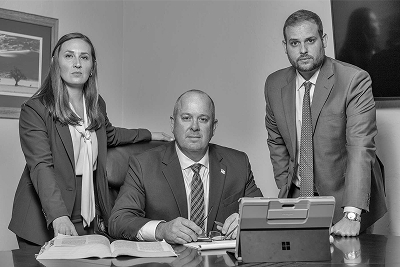
At the Law Firm of Scott T. Moorey, our criminal defense attorneys represent clients throughout Southwest Florida facing misdemeanor and felony resisting arrest charges. Since 1998, our law firm has focused exclusively on criminal defense, helping clients understand their rights, evaluate the evidence against them, and make informed decisions about their future.
Good people do get arrested. A resisting arrest allegation does not automatically mean you intended to break the law. These cases often involve confusion, conflicting accounts, rapidly unfolding events, and differing interpretations of what actually happened during a police encounter.
Many resisting arrest charges stem from situations that develop rapidly and unexpectedly. A person may be frightened, confused, overwhelmed, or uncertain about what is happening. In some cases, an individual may not even realize they are being detained or arrested until the situation has already escalated.
Unlike many criminal offenses, resisting arrest allegations often arise from the interaction itself rather than the conduct that initially brought law enforcement into contact with the individual. That makes the facts surrounding the encounter especially important.
Body camera footage, dash camera recordings, witness statements, and police reports can all play a critical role in determining what actually occurred. Small details often matter significantly in these cases.
Florida law recognizes two primary resisting arrest offenses. The severity of the charge depends largely on whether violence or threats of violence were allegedly involved.
Charge | Classification | Potential Penalties |
Resisting an Officer Without Violence | First-Degree Misdemeanor | Up to 1 year in jail, 1 year of probation, and a $1,000 fine |
Resisting an Officer With Violence | Third-Degree Felony | Up to 5 years in prison, 5 years of probation, and a $5,000 fine |
Under Florida Statute 843.02, this offense generally involves obstructing or opposing a law enforcement officer without using physical force or threats. Examples may include refusing lawful commands, interfering with an investigation, or providing false information during a lawful detention.
Although classified as a misdemeanor, a conviction can still create a permanent criminal record that may affect employment opportunities, professional licensing, housing applications, and educational opportunities.
Under Florida Statute 843.01, resisting with violence involves the use or threatened use of force against a law enforcement officer during the course of an arrest or detention.
Because it is a felony offense, the consequences can be significantly more severe. A conviction may affect civil rights, firearm ownership, future employment opportunities, and professional licensing.
Resisting arrest cases are frequently among the most disputed criminal charges because they often arise from rapidly unfolding events involving multiple participants, conflicting observations, and differing interpretations of a person’s actions.
The officer’s perception of an event may differ substantially from the accused person’s understanding of what occurred. What one person describes as resistance may be described by another as confusion, fear, misunderstanding, or an attempt to comply under difficult circumstances.
Modern police encounters are often captured by body-worn cameras, dashboard cameras, surveillance footage, or cell phone recordings. These recordings sometimes support the allegations, but they can also reveal facts that were omitted from reports or interpreted differently by investigators.
People do not always react perfectly during stressful encounters. Pulling an arm away reflexively, failing to hear a command, stumbling during handcuffing, or reacting to fear and confusion can sometimes be interpreted as resistance when the reality is far more complicated.
In some cases, resisting arrest charges are added alongside other criminal allegations. When the underlying offense is disputed, questions often arise about whether law enforcement had a lawful basis for the detention or arrest in the first place.
While jail or prison time often receives the most attention, the collateral consequences of a resisting arrest conviction can affect many aspects of your life.
Area of Life | Potential Impact |
Employment | Difficulty obtaining or maintaining certain jobs |
Professional Licenses | Possible disciplinary action or licensing concerns |
Housing | Challenges during rental application background checks |
Education | Potential effects on admissions, scholarships, and campus opportunities |
Immigration | Possible consequences for non-citizens depending on the circumstances |
Criminal Record | Long-term impact on future opportunities |
For younger defendants and first-time offenders, protecting future educational and career opportunities is often a major concern. Depending on the circumstances, diversion programs, deferred prosecution agreements, or other alternatives may be available.
A resisting arrest charge is not a conviction. Prosecutors must prove every element of the offense beyond a reasonable doubt, and several defenses may apply depending on the facts.
If law enforcement lacked a lawful basis for the detention or arrest, that issue may play a significant role in the defense. Constitutional protections apply during police encounters, and violations of those protections can affect the strength of the state’s case.
Not every disagreement, question, hesitation, or movement constitutes criminal resistance. The specific actions alleged by law enforcement should be carefully examined to determine whether they satisfy the legal requirements of the offense.
Police officers must follow established procedures. Questions regarding identification, use of force, compliance with departmental policies, and other issues may become relevant during the defense.
Independent witnesses, surveillance footage, and body camera recordings can provide critical context that is not always reflected in a police report.
The Law Firm of Scott T. Moorey represents clients facing resisting arrest charges throughout Southwest Florida, including Fort Myers, Cape Coral, Naples, Punta Gorda, and LaBelle.
We serve clients throughout Lee County, Collier County, Charlotte County, Hendry County, and Glades County. Our attorneys understand the local courts, prosecutors, and procedures that may affect misdemeanor and felony criminal cases throughout the region.
Good people do get arrested. Being accused of resisting arrest does not define who you are, and it should not automatically determine your future. Our role is to help you understand your rights, evaluate the evidence, and make informed decisions about what comes next.
Yes. Florida law can apply to situations involving lawful detentions and investigations, not just formal arrests. A person may face charges if prosecutors believe they unlawfully obstructed or opposed an officer performing a legal duty, even if the encounter did not ultimately result in a completed arrest.
Resisting arrest generally involves conduct directed toward a law enforcement officer during an arrest, detention, or investigation. Obstruction-related offenses can encompass a broader range of conduct, including interference with investigations, witnesses, evidence, or court proceedings. The specific facts determine which charge may apply.
No. Depending on the circumstances, there may be opportunities to pursue dismissal, diversion programs, deferred prosecution agreements, negotiated resolutions, or other alternatives that avoid a conviction. Eligibility depends on factors such as criminal history, the facts of the case, and local prosecutorial policies.
Not necessarily. Many people charged with resisting arrest have no prior criminal history. Depending on the circumstances, alternatives such as diversion programs or negotiated resolutions may be available. A first arrest does not automatically mean jail time, and an attorney can help evaluate the options available in your case.
Often, yes. Video evidence may provide important context regarding what happened before, during, and after the encounter. In some cases, footage supports the allegations. In others, it may reveal facts that strengthen the defense or contradict portions of a police report.
Potentially. Certain professions require background checks or impose reporting obligations regarding criminal convictions. Depending on your profession, a conviction may trigger disciplinary proceedings or affect future licensing opportunities.
It can. Some colleges, universities, scholarship providers, and professional programs consider criminal history when evaluating applicants. While a charge does not automatically prevent admission or financial aid, protecting a student’s record is often an important consideration when defending these cases.
As soon as possible. Early involvement by an attorney allows for preservation of evidence, review of body camera footage, interviews with witnesses, and strategic planning before important deadlines pass. Waiting too long can make it more difficult to gather favorable evidence.
Yes. We represent clients throughout Fort Myers, Cape Coral, Naples, Punta Gorda, LaBelle, and communities across Lee, Collier, Charlotte, Hendry, and Glades counties.
If you are facing a resisting arrest charge, understanding your rights and options is an important first step. The Law Firm of Scott T. Moorey helps clients evaluate the evidence, understand the legal process, and make informed decisions about their future.
Contact our Southwest Florida criminal defense attorneys online to schedule a confidential consultation and learn more about your options.