
Few things are more frightening than learning you may be headed back to court—or back to jail—because of an alleged probation violation. Many people assume that once a violation is reported, the outcome is already decided. In reality, judges have options, and the outcome often depends on the circumstances surrounding the alleged violation and how effectively those circumstances are presented.
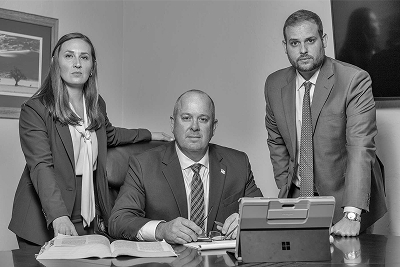
At the Law Firm of Scott T. Moorey, our criminal defense attorneys represent clients throughout Southwest Florida who are facing probation violation allegations. Whether you missed an appointment, failed a drug test, fell behind on payments, or were arrested on a new charge, our goal is to help you protect your freedom and pursue the most favorable outcome possible.
Good people do get arrested. Good people also miss appointments, struggle with addiction, lose jobs, face medical emergencies, experience transportation problems, and encounter unexpected setbacks. A probation violation allegation does not tell the whole story, and our job is to make sure the court hears the complete picture.
Probation is often offered as an alternative to jail or prison. When a violation is alleged, many people worry that the opportunity they worked so hard to earn is about to disappear. Those fears are understandable.
Unlike a criminal trial, a probation violation hearing operates under different rules. Prosecutors do not have to prove a violation beyond a reasonable doubt, and judges often have broad discretion when deciding how to respond. That makes preparation and effective advocacy especially important.
The good news is that an alleged violation does not automatically mean your probation will be revoked. Judges routinely consider a person’s compliance history, the seriousness of the alleged violation, efforts at rehabilitation, employment status, family responsibilities, and the circumstances that contributed to the alleged violation.
Not every probation violation is the same. Generally, violations fall into two categories: technical violations and substantive violations.
Technical violations involve failing to comply with one or more conditions of probation without committing a new criminal offense.
Substantive violations involve allegations that a person committed a new criminal offense while on probation.
Because substantive violations often involve both a probation violation case and a new criminal case, they can significantly increase the stakes.
The consequences of a probation violation depend on the facts of the case, your criminal history, and the judge handling the matter.
Alleged Violation | Possible Outcome |
Missed Reporting Requirement | Warning, modification, extension, or revocation |
Failed Drug Test | Treatment requirements, modification, or revocation |
Failure to Complete Community Service | Additional time, modification, or sanctions |
Failure to Pay Court Obligations | Review of financial circumstances, modification, or sanctions |
New Misdemeanor Arrest | Modification or revocation possible |
New Felony Arrest | Significant risk of revocation and incarceration |
Potential penalties can include extending probation, adding new probation conditions, modifying existing terms, revoking probation entirely, or imposing a jail or prison sentence.
One of the first questions many people ask is whether they can be released after being arrested for a probation violation.
The answer depends on the circumstances. Some individuals may be eligible for bond, while others may remain in custody pending their hearing. Factors that often influence this decision include the nature of the alleged violation, the underlying offense, criminal history, and the judge assigned to the case.
Because probation violation arrests can move quickly, contacting an attorney immediately may improve your ability to address bond issues and begin preparing your defense.
At the Law Firm of Scott T. Moorey, we do more than review the allegation itself. We work to present the complete story behind the alleged violation.
If you have successfully complied with probation for months or years before the alleged violation, that history matters. Judges often want to know whether the allegation reflects a pattern of behavior or an isolated setback.
Life circumstances frequently contribute to probation violations. Transportation problems, family emergencies, medical issues, employment conflicts, and unexpected hardships may provide important context that deserves consideration.
Many probation violations stem from struggles with substance abuse or mental health concerns. Where appropriate, we advocate for treatment-focused solutions rather than incarceration-focused outcomes.
Falling behind on court-ordered financial obligations does not always mean a person is refusing to comply. Job loss, medical expenses, and financial hardship can all affect a person’s ability to make payments on time.
We also review how the violation was reported, documented, and investigated. In some cases, procedural issues or weaknesses in the evidence may significantly affect the outcome.
Probation exists because courts recognize that incarceration is not always the best answer. It allows people to continue working, supporting their families, pursuing education, receiving treatment, and rebuilding their lives while remaining accountable.
A single setback should not automatically erase that opportunity.
Good people do get arrested. Good people also make mistakes, encounter unexpected hardships, struggle with addiction, miss deadlines, and face challenges that affect their ability to comply with every probation requirement. Our job is to make sure the court sees the complete picture, not just an isolated allegation.
The Law Firm of Scott T. Moorey represents clients facing probation violation allegations throughout Southwest Florida, including Fort Myers, Naples, Cape Coral, Punta Gorda, and LaBelle.
We serve clients throughout Lee County, Collier County, Charlotte County, Hendry County, and Glades County. Our attorneys understand the local courts, prosecutors, and procedures that often influence probation violation cases throughout the region.
If your probation officer believes a violation occurred, a violation report may be submitted to the court. A judge may issue a warrant for your arrest and schedule a probation violation hearing. Depending on the circumstances, the court may reinstate probation, modify its terms, extend probation, or revoke it altogether.
Yes. In many situations, an alleged probation violation can result in the issuance of a warrant and immediate arrest. This is especially common when the alleged violation involves a new criminal charge.
A technical violation involves failing to comply with a probation condition, such as missing appointments or failing a drug test. A substantive violation generally involves allegations that a person committed a new criminal offense while on probation.
Yes. Judges often have the authority to reinstate probation, sometimes with modified conditions. The likelihood of reinstatement depends on the nature of the violation, your compliance history, and the surrounding circumstances.
Potentially. A probation violation can affect employment opportunities, professional licenses, college enrollment, scholarships, housing applications, and future background checks. This is one reason it is important to take the allegation seriously and seek legal guidance quickly.
As soon as possible. Early legal representation provides more time to gather evidence, prepare for hearings, address bond issues, and develop the strongest strategy available.
If you are facing an alleged probation violation, do not assume the outcome has already been decided. You may have more options than you realize.
Contact the Law Firm of Scott T. Moorey online to schedule a confidential consultation and learn more about your rights and legal options.